

Grooming basics
How to wash a long coat without wrecking it
Most coat damage happens in the bath, not between them. The order you work in, the water temperature, and how you dry matter more than which bottle you buy.
6 min read
Ask ten owners of a long-coated dog what went wrong with the coat and nine will point at a product. It is almost never the product. Coat damage is mechanical, it happens while the hair is wet and heavy, and it happens in a predictable order — which means it is avoidable in a predictable order too.
Here is the sequence we give every new customer.
Brush the coat out before it touches water
This is the one that matters. A tangle in a dry coat is a tangle. The same tangle wet is a felted knot, and the only way out of a felted knot is to cut it out. Water tightens everything.
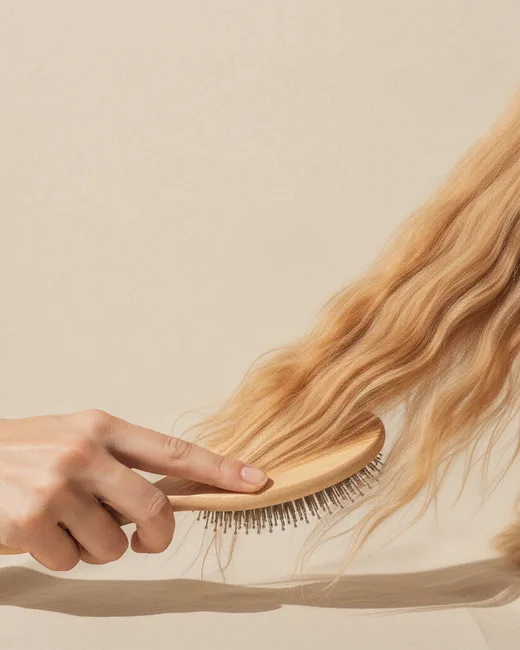
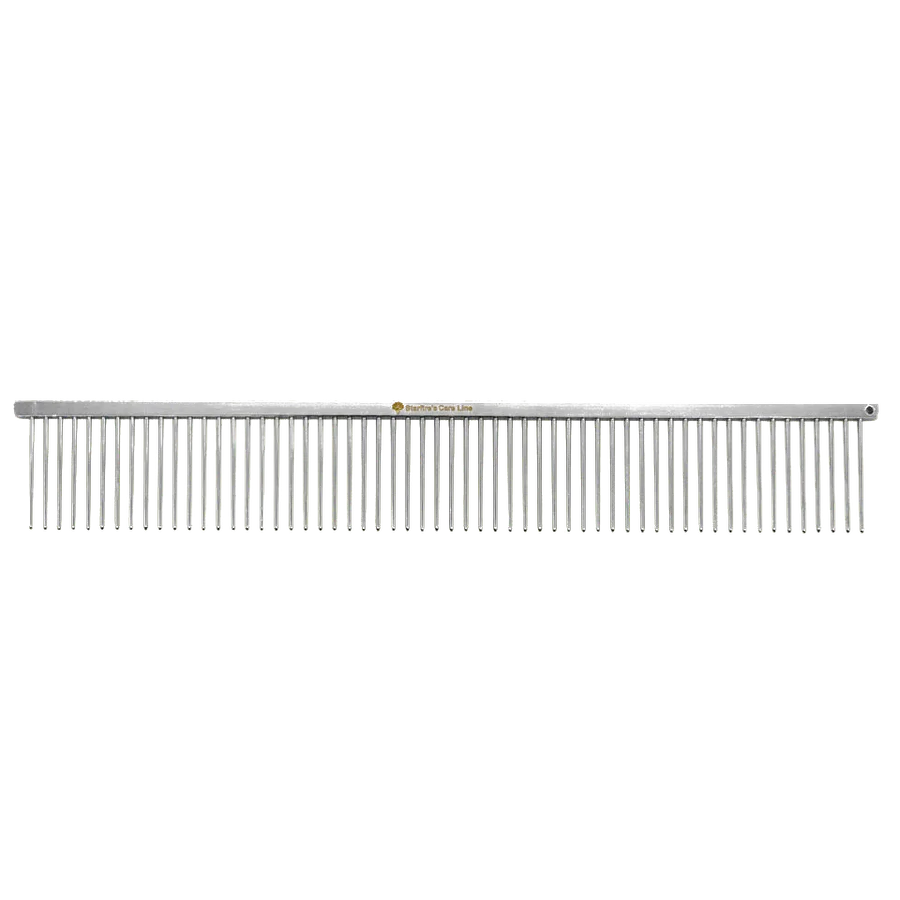
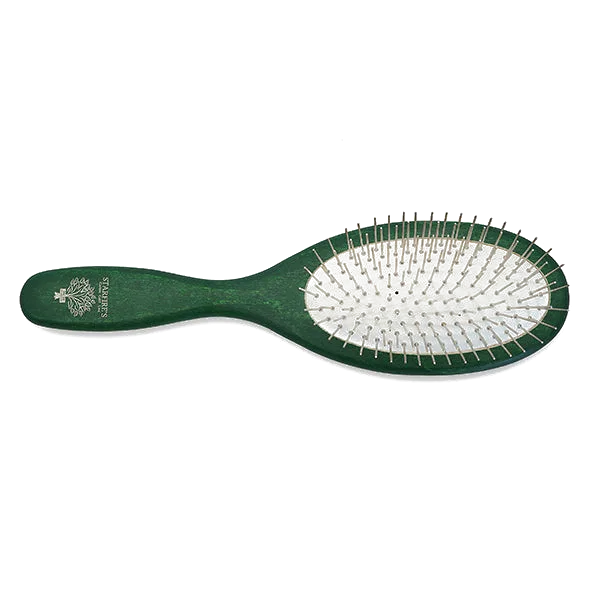
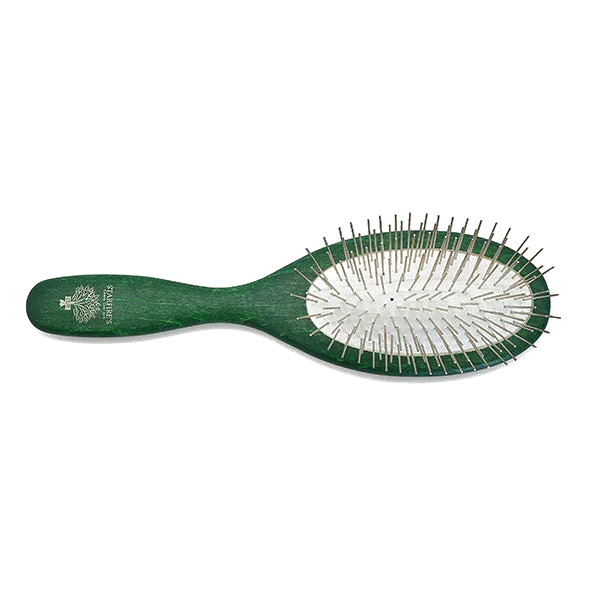
Work in sections from the skin outwards, not from the surface down. Hold the hair above where you are brushing so the comb never drags on the skin, and take the tangles apart from the tip toward the root — pulling from the root just pushes the knot tighter.
If you find a mat you cannot separate with your fingers, deal with it now, dry. Ten minutes here saves an hour later.
Get the water cooler than feels right
Hot water swells the hair shaft and lifts the cuticle. A lifted cuticle is what “dull” looks like — light scatters off a rough surface instead of reflecting off a smooth one. It also makes the coat feel rough for days afterwards.
Lukewarm is right. If it feels pleasant on the inside of your wrist, it is slightly too warm for the coat.
Dilute the shampoo before it goes on
Neat shampoo lands in one spot at full strength, and you end up scrubbing to spread it — which is friction, on wet hair, which is exactly what you were trying to avoid.
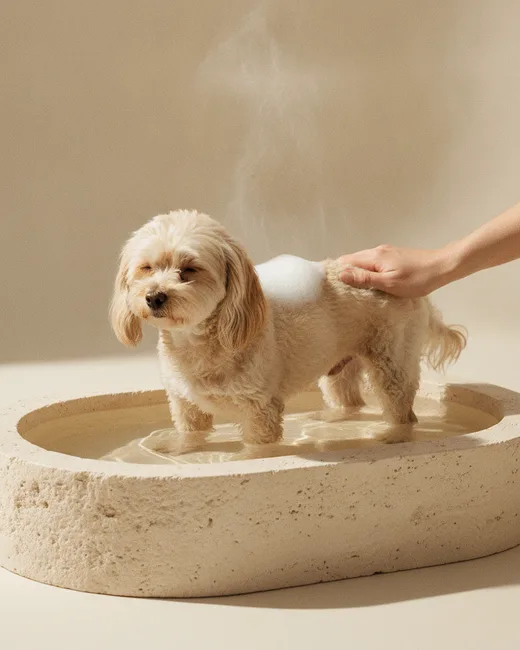
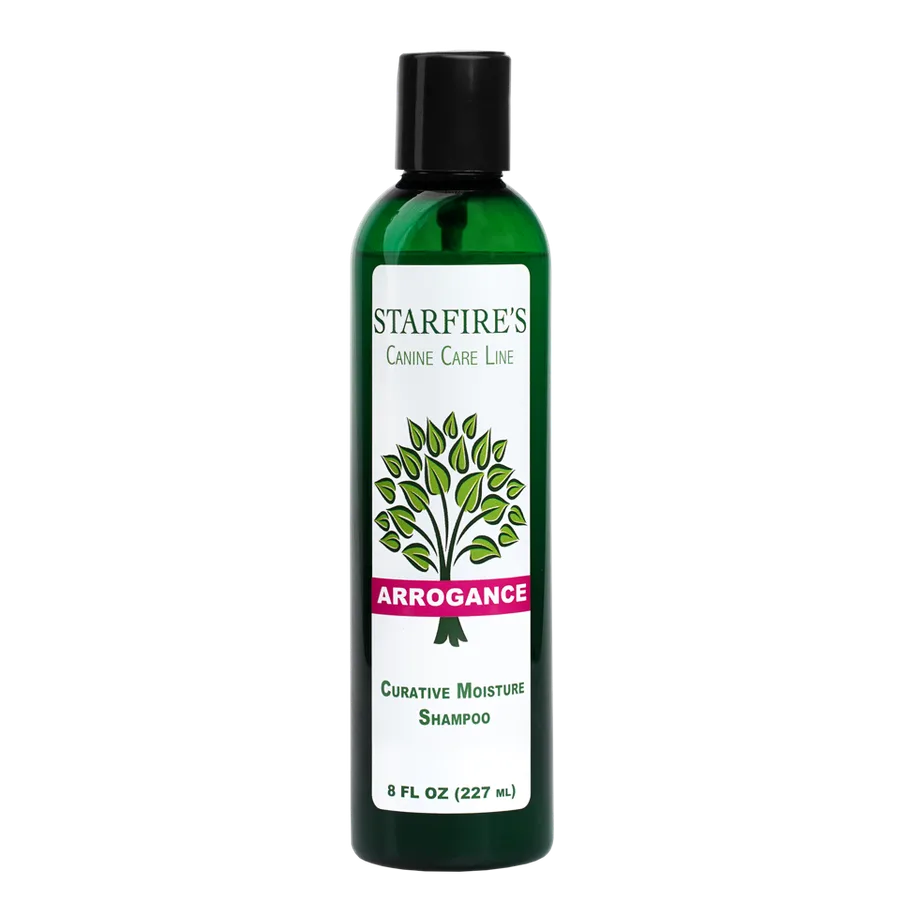
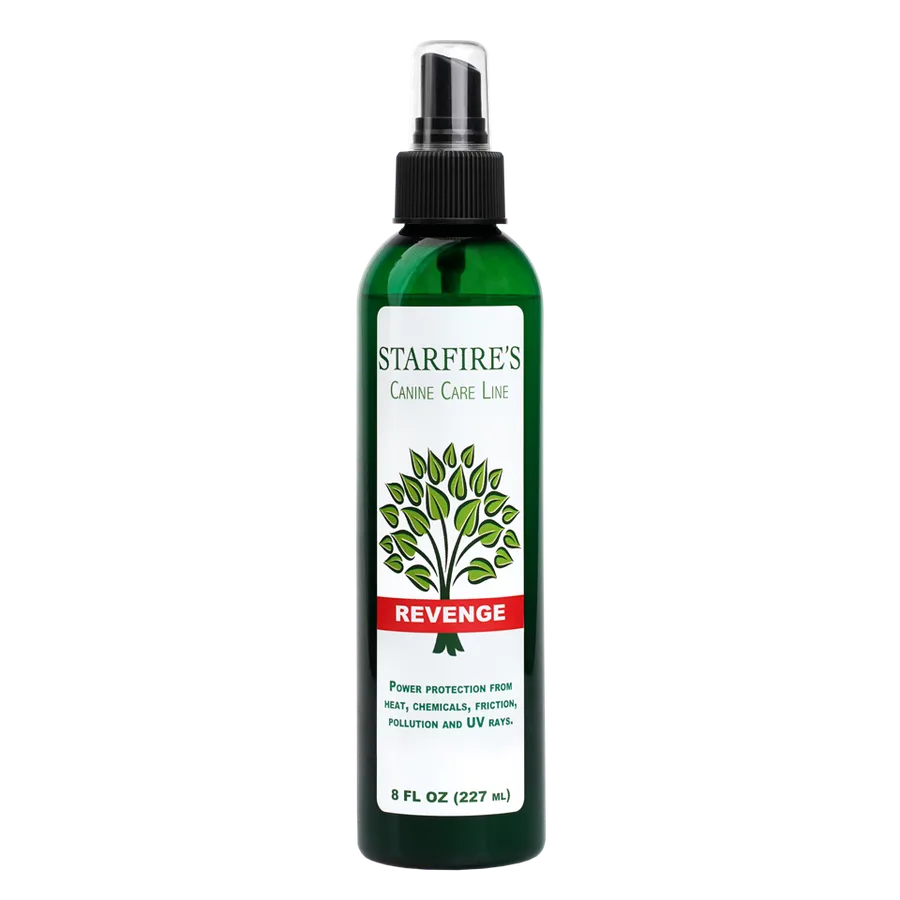
Mix it with water in a bottle or a jug first. Professional lines are formulated to be diluted; they lather at a much lower concentration than supermarket shampoo, which is why a large bottle outlasts several cheap ones. Pour it along the back and squeeze it through, in the direction the hair grows. Do not circle, do not scrub.
Rinse for twice as long as you think
Residue is the single most common cause of a coat that goes flat, greasy or itchy two days after a bath. It is invisible while the coat is wet, so the only defence is time.
Rinse until the water runs completely clear, then rinse again. Pay attention to the armpits, the chest and the base of the tail — the places water runs past rather than through.
Condition, then rinse cold
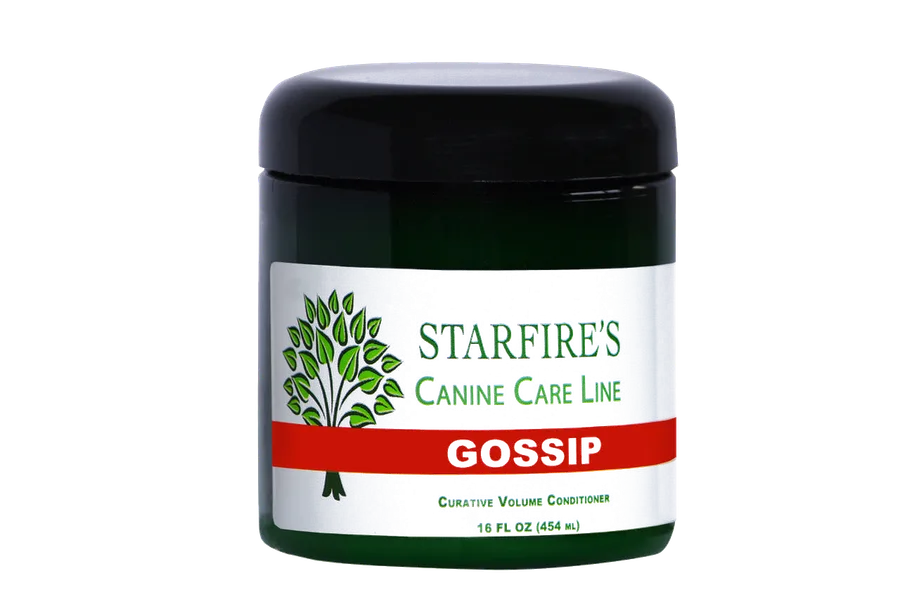
Conditioner does its work in the minute it sits on the coat, not in the amount you use. Leave it the time the bottle says, then rinse it out with water a touch cooler than you washed with. Cold water lays the cuticle back down, and a flat cuticle is what shine actually is.
Squeeze, do not rub
A wet long coat is at its most fragile. Rubbing with a towel is thousands of tiny friction events along hair that is already swollen and soft — it is how you manufacture the tangles you will fight next week.
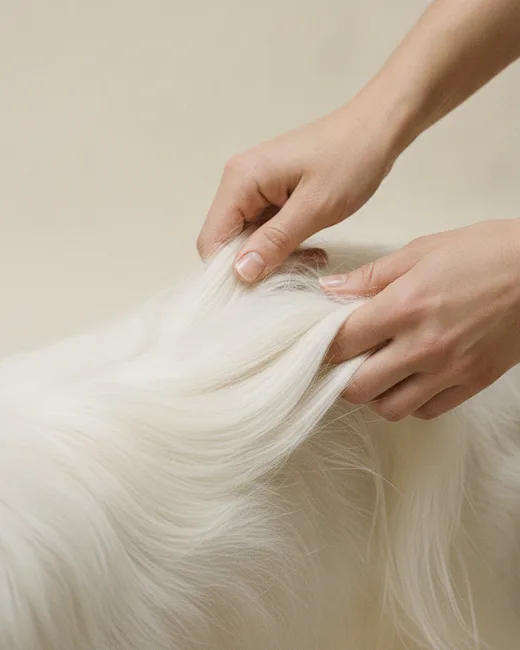
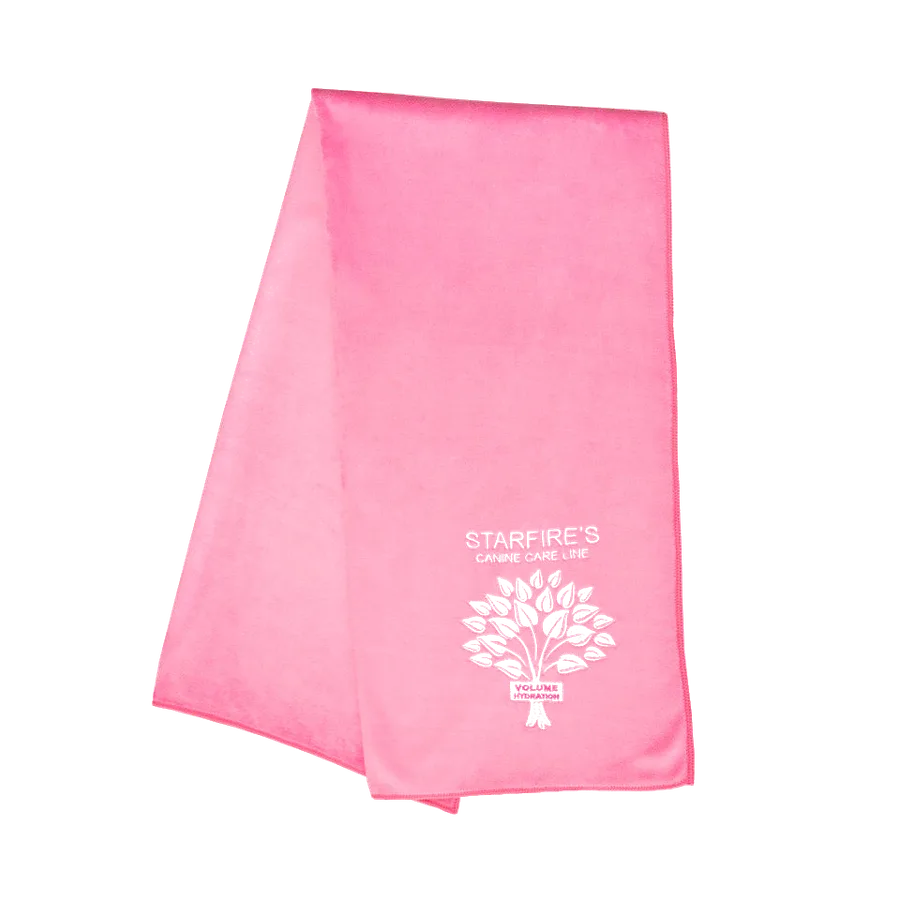
Press the water out. Squeeze down the length of the hair with a microfibre towel and let it absorb. Then dry with air moving along the coat, brushing gently as you go, until it is dry all the way to the skin. A coat left damp at the roots is where the smell and the matting both start.
The short version
Brush dry. Lukewarm water. Dilute. Rinse twice as long. Condition, cold rinse. Squeeze, never rub. Dry to the skin.
Do those in that order and an average shampoo will outperform an excellent one used carelessly. Do them with a good shampoo and you get the coat you were paying for.